Reusing Cooking Oil: What Happens to Your Oil and Your Health
Summary
Is it safe to reuse cooking oil? See what happens when oil is reheated, how many times you can reuse it, and the signs that it’s time to throw it away.
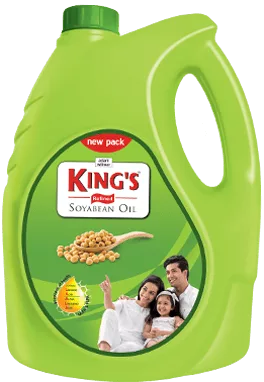
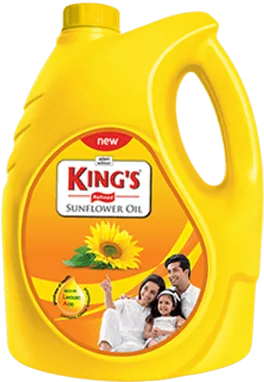
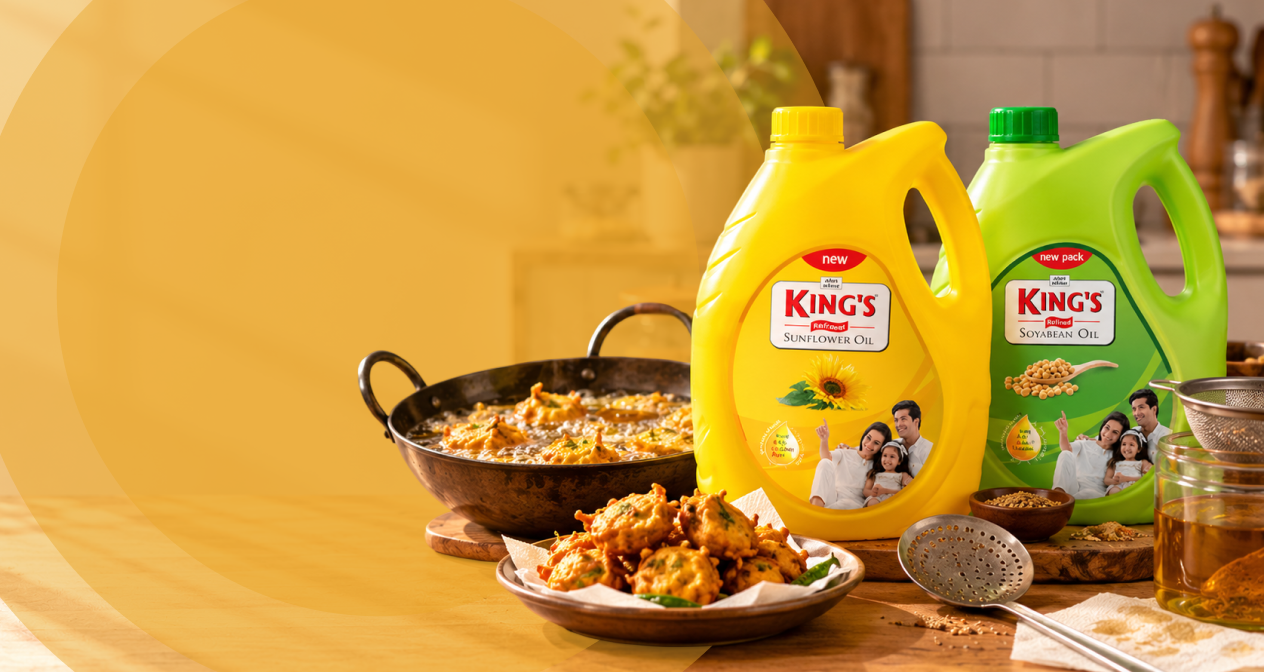
Most home cooks have faced the same question after frying: pour the leftover cooking oil down the drain, or strain it and use it again? Reusing cooking oil feels thrifty, especially when household budgets are tight, but it also changes what is in the oil, and those changes affect the food you cook next. In many Indian kitchens, the same pan of oil may fry pooris on Sunday and pakoras on Tuesday, so it helps to know what is happening in that pan. This guide explains what happens to oil when you heat and reuse it, what that may mean for your health, and how to tell when it's time to throw it away. You will also see how King's Sunflower Oil and King's Soyabean Oil can be suitable choices for everyday cooking and frying, so you can start with a better edible oil.
What Happens to Cooking Oil When You Reuse It
Every time cooking oil is heated, it reacts with oxygen and starts to break down. High temperatures, or heating for a long time, speed up this process. The oil produces unstable compounds such as aldehydes and free radicals, and it also becomes more acidic. Repeated heating also builds up what are known as polar compounds.
Food safety rules in India treat an edible oil as unfit for frying once its Total Polar Compounds (TPC) reach 25 per cent. Oil past that point should not be mixed with fresh oil to stretch its use. At home, you cannot measure TPC without a testing device. That is why the look, smell and behaviour of the oil are the most practical guides in your kitchen.
How Reusing Cooking Oil Can Affect Your Health
Nutrition guidance on reused oil points to two main concerns. One is a rise in trans fats in fried food. The other is a higher level of oxidised compounds, which can damage cells. Heavily reheated oil has been linked in some studies with inflammation and with concerns about heart health over time. These concerns are greatest when oil is heated again and again, or taken to very high temperatures.
For this reason, the safest advice is not to reuse oil at all. If you do reuse it, one extra use within a day or two is the practical limit that most guidance suggests.
How Many Times Can You Reuse Cooking Oil, and When to Throw It Out
Food safety rules for businesses limit how often frying oil can be reheated. For a home kitchen, the sensible approach is to reuse oil rarely and never more than a few times. Mild frying, such as shallow-frying a few cutlets, is gentler on oil than deep frying a large batch of bhajiyas.
If you decide to reuse the oil, follow these steps:
- Let the oil cool completely after frying.
- Strain out food particles through a fine strainer or a clean muslin cloth.
- Pour it into a clean, dry, airtight container.
- Store it in a cool, dry place away from sunlight.
- Smell the oil before you use it again.
Watch for these warning signs:
- A rancid, unpleasant or unusually strong smell.
- Persistent foaming or excessive smoking at normal cooking temperatures.
- An unusually thick or sticky texture.
- Significant darkening or a murky appearance, particularly when accompanied by other signs of deterioration.
Colour alone is not a reliable test because some foods naturally darken oil. Likewise, oil can deteriorate before obvious warning signs appear, so smell and appearance cannot guarantee safety.
Never pour used cooking oil down the sink, as it can contribute to blockages. Allow it to cool, collect it in a suitable sealed container and dispose of it according to local waste guidance.
Choosing the Best Cooking Oil for Frying and Everyday Cooking
The best cooking oil depends on the food, cooking temperature and intended use. Smoke point is one consideration, but it is not the only measure of how well an oil performs during frying. Fatty acid composition, processing and resistance to oxidation also influence its stability.
Refined oils are often suitable for frying because refining can remove impurities and raise the smoke point. However, a high smoke point does not mean an oil can be reheated indefinitely or that it is automatically the healthiest choice. When selecting a good cooking oil, consider the following:
- Match the oil to the method: Choose an oil labelled as suitable for the temperatures required by your recipe.
- Check the nutrition label: Compare saturated and unsaturated fat content rather than relying only on marketing claims.
- Avoid overheating: Heat oil only as much as needed and reduce the temperature if it begins smoking excessively.
- Fry in sensible quantities: Smaller batches can help you avoid heating more oil than necessary.
- Keep fresh oil fresh: Store unused oil in a tightly closed container away from direct sunlight and heat.
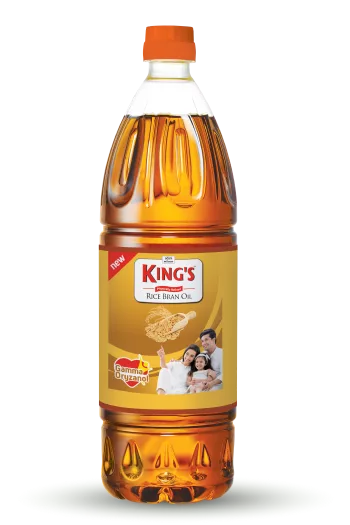
King's Edible Oils offers options such as Sunflower Oil, Soyabean Oil and Rice Bran Oil for different everyday cooking needs. Choose according to your recipe and the product's stated suitability, and remember that even an appropriate oil should not be repeatedly overheated or reused after it has deteriorated.
Frequently Asked Questions
Is it safe to reuse cooking oil at home?
The safest advice is not to reuse frying oil. If you do, limit it to a single reuse within a day or two, strain it well and store it properly. Heated oil breaks down and forms unwanted compounds, so heavily used or dark oil should always be thrown away.
How many times can you reuse cooking oil?
For a home kitchen, reuse cooking oil rarely and never more than a few times. Many guides suggest just one extra use for deep-frying oil. The more often oil is heated, and the higher the temperature, the faster it breaks down. Check the smell and colour each time.
How can you tell if cooking oil has gone bad?
Throw the oil away if it foams when heated, smells unpleasant or smells of the food fried earlier, looks thick, dark or murky, or smokes heavily at normal heat. Smelling the oil before every use is a quick check at home, although smell alone cannot guarantee that the oil is safe.
Which edible oil is best for frying if I want to reuse it?
Refined oils with a high smoke point, such as sunflower oil, soyabean oil and rice bran oil, are commonly used for frying. Even so, no oil can be reused endlessly. Choose the oil that suits your dish and cooking style, and discard it once it shows signs of deterioration.