
Mustard Oil Health Benefits: Why It Remains a Traditional Favourite in Indian Kitchens
Summary
Mustard oil has been a staple in Indian kitchens for generations. Discover its health benefits, traditional uses, and why it’s still a trusted choice for everyday cooking.
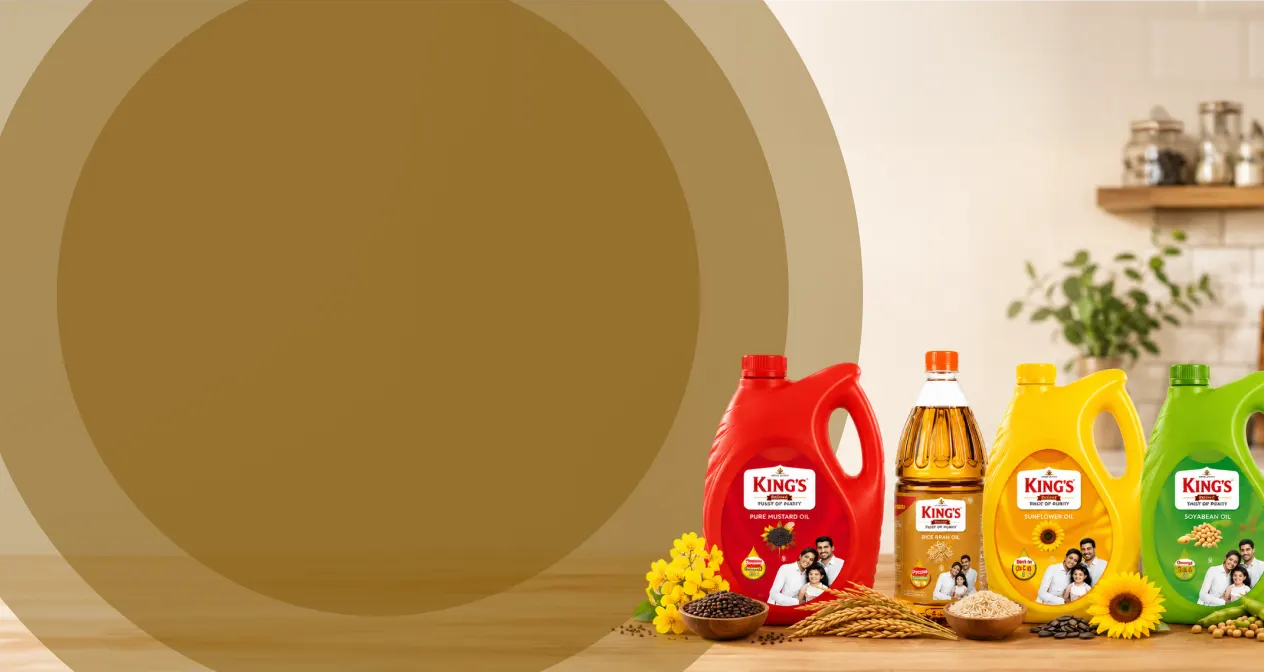
Mustard oil remains one of the most widely used cooking oils in Indian households due to its strong flavour profile, versatility in cooking, and nutritional composition. Many families prefer trusted options such as King’s Mustard Oil because it meets everyday cooking needs while maintaining the quality standards expected of a modern edible oil brand. As consumers become more aware of ingredient sourcing and food quality, mustard oil remains relevant for its traditional extraction methods and practical cooking benefits.
Mustard oil has been a staple ingredient in Indian kitchens for generations. Known for its strong aroma, rich flavour, and nutritional value, it plays an important role in many traditional dishes. From frying snacks to preparing curries and pickles, mustard oil adds a distinctive taste that many households prefer.
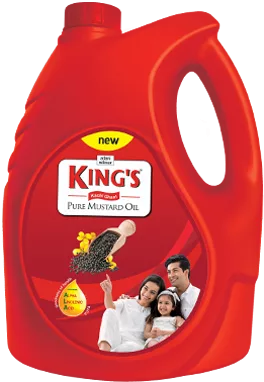
In recent years, consumers have also started evaluating cooking oils based on health considerations, purity, and suitability for Indian cooking techniques. This has increased demand for reliable products such as King’s Pure Mustard Oil and Adani Mustard Oil, which combine traditional processing with modern packaging and hygiene practices. Mustard oil remains a dependable choice because it supports high-temperature cooking, enhances flavour naturally, and aligns well with traditional Indian dietary habits.
For households looking for practical, multipurpose cooking oils, mustard oil remains a strong choice because it performs well for frying, sautéing, tempering, and preservation, while maintaining authentic food taste.
Why Mustard Oil Is Popular in Indian Cooking
Mustard oil remains deeply integrated into Indian cooking because it complements both ingredients and cooking techniques commonly used across the country. It is especially popular in North and Eastern India, where traditional recipes rely on strong base oils that contribute to the dish's overall taste rather than remaining neutral.
- Enhanced flavour: One of the main reasons mustard oils remain widely used is its ability to add a strong taste. Unlike refined oils, which remain largely tasteless, mustard oil adds flavour to food. This makes it particularly useful in Indian cuisine, where layering of flavours is important. Many households therefore choose King’s Mustard Oil for cooking because it improves the taste of everyday meals without requiring additional ingredients.
- Compatibility with Indian cooking temperatures: Another important reason is its suitability for traditional Indian cooking methods. As these cooking often involves techniques such as tempering spices in hot oil, frying snacks at high heat, and slow cooking gravies. Mustard oil performs reliably in these conditions due to its cooking stability and strong composition. This makes it suitable for both quick daily cooking and elaborate meal preparation.
- Traditional role: Mustard oil has been used for decades, playing a major role in its continued popularity. Many families continue to use King's Traditional Mustard Oil because it helps preserve the original flavours of recipes passed down for decades. Maintaining ingredient consistency helps ensure food tastes the same across generations.
- Versatility: Mustard oil is also valued for its flexibility. Instead of maintaining multiple cooking oils, many households prefer a single oil that can handle a range of cooking tasks. Oils such as Adani Edible Mustard Oil are often selected because they can be used for frying, cooking vegetables, preparing gravies, and making pickles.
- Cost-efficient: This also contributes to its preference. Since mustard oil has a strong flavour, smaller quantities are often enough to achieve the desired taste. This makes it suitable for families managing regular grocery expenses without compromising food quality.
- Safety concerns: Modern consumers also prioritise safety and packaging. This is why products such as Adani Premium Mustard Oil remain popular among buyers looking for reliable brands that combine traditional oil quality with enhanced safety processes.
Health Benefits of Mustard Oil
Mustard oil contains naturally occurring fats and plant compounds that may contribute to overall dietary balance when used responsibly. While no cooking oil alone determines health outcomes, choosing the right cooking medium can support better long-term eating patterns when combined with balanced meals. Mustard oil is particularly valued for its fatty acid profile and the natural compounds derived from mustard seeds. These elements contribute to its continued preference among households seeking traditional yet practical cooking solutions.
Supports Heart Health
Mustard oil contains monounsaturated and polyunsaturated fatty acids, which are generally considered more suitable dietary fats than excessive saturated fats. These fats help support cholesterol balance when consumed as part of a controlled and varied diet.
Many families, therefore, include options such as King’s Mustard Oil for Daily Cooking in their kitchens because it allows them to maintain traditional food preparation while being mindful of oil selection. Like all cooking oils, the key factor remains moderation and maintaining dietary balance through varied food intake.
Rich in Antioxidants
Mustard oil contains naturally occurring antioxidants that help the body manage oxidative stress. Oxidative stress is commonly associated with environmental exposure, dietary habits, and lifestyle factors. Antioxidants obtained through natural food sources contribute to overall dietary quality. Using cooking oils such as King’s Cooking Mustard Oil, along with home-cooked meals, may support better eating habits than relying heavily on processed foods. Consumers increasingly recognise that ingredient quality plays an important role in everyday nutrition decisions.
Anti-Bacterial Properties
Mustard oil has traditionally been recognised for its natural antibacterial and antifungal characteristics due to compounds present in mustard seeds. This is one reason why mustard oil has historically been used in food preservation methods such as pickling. Even today, many households continue to rely on King's Sarso Tel for Indian kitchens when preparing traditional recipes that require long storage periods. While its primary role remains cooking, its traditional association with food preservation highlights its long-standing role in Indian food practices.
What Is Kachi Ghani Mustard Oil?
Kachi Ghani mustard oil is oil extracted using a traditional cold-pressing technique in which mustard seeds are crushed at controlled temperatures. This process helps maintain the oil's natural properties without exposing it to excessive heat during extraction.
This extraction method helps preserve the oil's original flavour compounds, natural colour, and characteristic pungency. Because of this, many consumers prefer King’s Kachi Ghani Mustard Oil when they want cooking oil that maintains traditional taste expectations.
Cold-pressed oils differ from refined oils mainly in the intensity of their processing. While refined oils undergo multiple processing stages, Kachi Ghani oils are extracted mechanically, then filtered. This helps retain the oil's natural identity while still ensuring usability and safety.
Consumers today are becoming more conscious about how their food is processed. This shift has increased interest in minimally processed cooking ingredients. Cold-pressed mustard oil fits well within this preference because it offers a balance between traditional preparation and modern consumption needs.
Another advantage of Kachi Ghani oil is flavour authenticity. Since it retains its natural aroma, it is particularly suitable for recipes that depend on mustard oil's distinctive taste. This includes regional dishes where replacing mustard oil with neutral oils would significantly change the final taste.
For these reasons, Kachi Ghani mustard oil remains an important category within edible oils, especially among consumers who prioritise traditional cooking methods.
How Mustard Oil Is Used in Indian Kitchens
Mustard oil is one of the most versatile cooking oils you can have in your kitchen. Whether you cook daily meals or experiment with regional recipes, it adapts easily. Here are some of the most common ways you can use mustard oil in your everyday cooking:
Deep Frying
Mustard oil is widely used for deep frying because it can handle high temperatures well. From samosas to fish fry, it gives fried food a distinctive taste that many people associate with traditional cooking. Using King’s Mustard Oil for frying can enhance the crispness of snacks while adding a subtle spicy note that makes the food more flavourful. Many cooks prefer heating the oil first to mellow its sharp aroma before frying.
Cooking Curries and Vegetables
Many Indian gravies begin with mustard oil as the base. Once heated properly, the oil blends beautifully with spices like cumin, mustard seeds, garlic, and onions. When you prepare everyday meals using King’s Mustard Oil for Indian Cooking, even simple dishes like bhindi, aloo gobi, or lauki can taste more satisfying. The oil acts as a flavour carrier, helping spices release their aroma.
Pickles and Traditional Recipes
Mustard oil plays an important role in Indian pickles. It not only adds flavour but also helps preserve the ingredients naturally. Many families still prepare seasonal pickles with mustard oil because it helps preserve freshness for longer. Using trusted oils ensures better taste and safety, which is why traditional households remain loyal to known cooking oil brands. Beyond pickles, mustard oil is also used in marinades for paneer, fish, and chicken. A spoon of mustard oil with turmeric, salt, and chilli powder can instantly elevate a simple marinade into something deeply flavourful.
Tips for Using Mustard Oil in Cooking
If you are new to cooking with mustard oil, a few simple techniques can help you get the best results. Mustard oil is usually heated until it reaches its smoke point and then slightly cooled before adding ingredients. This process helps reduce the raw sharpness while preserving the flavour. Here are some practical tips you can follow:
- Always heat before use: Raw mustard oil has a sharp smell. Heating it until it starts to smoke lightly helps soften the flavour and makes it more suitable for cooking.
- Use in the right quantity: Because mustard oil has a strong flavour, you often need less than with neutral oils. Start with smaller quantities and adjust according to your taste.
- Pair with the right foods: Mustard oil works beautifully with potatoes, green vegetables, lentils, fish, and pickles. It also enhances rustic dishes like baingan bharta and chokha.
- Store it correctly: Always keep mustard oil in a cool, dry place away from sunlight. Proper storage helps maintain freshness and flavour for longer periods.
Try traditional tempering: Add mustard oil to hot pans and temper it with mustard seeds, curry leaves, garlic, or dried chillies. This simple step can transform your everyday dal into something special.
Mustard oil continues to hold an important place in Indian kitchens due to its traditional significance, unique taste, and potential health benefits. Whether used for frying, cooking curries, or preparing pickles, it remains a trusted choice for many households.
Consumers today prioritise cooking oils that offer consistency, safety, and usability across multiple recipes. Trusted products such as King’s Mustard Oil and Adani Mustard Oil continue to meet these expectations by combining traditional cooking values with modern quality practices.
Mustard oil remains a practical cooking oil because it supports multiple cooking methods while maintaining authentic flavour. Its continued presence across generations reflects its importance not just as an ingredient but as a dependable everyday cooking essential.
For households looking for reliable cooking oils, mustard oil remains a strong choice because it combines versatility, flavour contribution, and long-standing familiarity.
FAQs
What are the health benefits of mustard oil?
Mustard oil contains healthy fats, antioxidants, and natural plant compounds that may support overall dietary balance when used in moderation as part of regular home-cooked meals.
Is Kachi Ghani mustard oil good for cooking?
Yes. Kachi Ghani mustard oil is suitable for cooking because it retains its natural flavour and nutrients through cold-press extraction, making it well-suited to traditional Indian recipes.
Why is mustard oil widely used in Indian kitchens?
Mustard oil is widely used because it enhances flavour, supports traditional Indian cooking methods, and can be used for frying, cooking, and pickling.
What is the shelf life of Kachi Ghani Mustard Oil, and how should I store it?
The typical shelf life is 9-12 months. Store in a cool, dry place away from sunlight and keep the container tightly sealed after use.
Frequently Asked Questions
Mustard oil contains healthy fats, antioxidants, and natural plant compounds that may support overall dietary balance when used in moderation as part of regular home-cooked meals.
Yes. Kachi Ghani mustard oil is suitable for cooking because it retains its natural flavour and nutrients through cold-press extraction, making it well-suited to traditional Indian recipes.
Mustard oil is widely used because it enhances flavour, supports traditional Indian cooking methods, and can be used for frying, cooking, and pickling.
The typical shelf life is 9-12 months. Store in a cool, dry place away from sunlight and keep the container tightly sealed after use.


