Keep Your Cooking Oil Fresh for Months: A Simple Kitchen Storage Guide
Summary
Learn how to store cooking oil at home, whether it needs the fridge, and how to spot rancid oil. Simple tips to keep edible oil fresh for months.
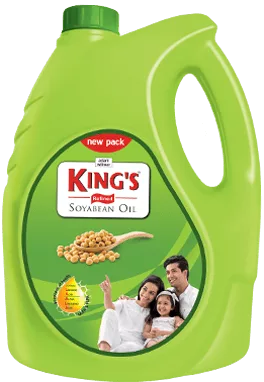
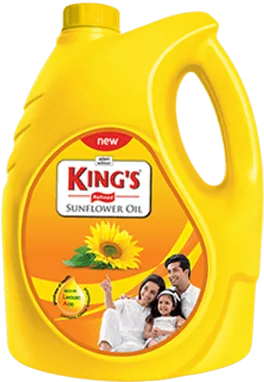
A bottle of cooking oil can sit in the kitchen for weeks, so how you store it decides whether it stays fresh or slowly turns stale. Oil kept next to the stove or on a sunny shelf can lose its flavour long before the bottle is empty, and in a busy Indian kitchen, that is easy to let happen. A few small habits can make a real difference to the taste of your food. In this guide, you'll learn why edible oil goes off, where and how to store it, whether the fridge is ever needed, and how to tell when it is time to replace a bottle. You will also see how King's Sunflower Oil and King's Soybean Oil, which many households use for daily cooking, can be stored so that the best cooking oil you buy stays good to the last drop.
Why Cooking Oil Goes Rancid
Exposure to oxygen, light and heat makes oil oxidise, and over time this turns it rancid. Rancid oil tastes and smells off, and it can spoil the flavour of whatever you cook with it. A busy kitchen provides all three of these factors at once: a hot stove, bright windows and a bottle that is opened many times a week. That is why a bottle kept beside the gas stove ages much faster than one kept in a closed cupboard.
Where to Store Cooking Oil in Your Kitchen
Keep cooking oil in a dark cupboard or pantry, away from the stove, the oven, other appliances, and direct sunlight. A spot that stays cool and steady is better than a shelf above the hob, even if it is less convenient. In warm climates, kitchens can run hot for much of the year. Choose the coolest cabinet you have instead of the counter, especially through the summer months when temperatures in many Indian cities stay high.
| Storage Spot | Suitable | Reason |
|---|---|---|
| Dark cupboard away from the stove | Yes | Cool, dark and steady |
| Pantry or store room | Yes | Away from heat and light |
| Shelf above the gas stove | No | Constant heat and steam |
| Window sill or open counter | No | Sunlight and warmth |
Containers and Sealing: Keeping Air Out
Always close the cap tightly after each use so that less air reaches the edible oil. Dark or opaque bottles protect better from light than clear ones. A large bottle can stay sealed in the pantry while a smaller one is decanted for everyday use, which means the main supply is opened less often.
Follow these simple steps when decanting:
1. Use a clean, completely dry steel or glass container with a tight lid.
2. Pour only what you will use in a week or two.
3. Wipe the neck of the bottle after pouring so that oil does not collect and go stale.
4. Reseal the main bottle straight away and return it to the cupboard.
Avoid pouring used or leftover oil back into the fresh bottle, since this can speed up spoilage.
Does Cooking Oil Need to Go in the Fridge?
Many everyday oils are fine in a cool cupboard. Some delicate oils, such as sunflower, safflower, grapeseed and sesame, are best refrigerated after opening, and other oils can be refrigerated if you use a bottle slowly over a long time. A small family that finishes a bottle of sunflower oil in a few weeks can keep it in a cool cupboard, while a bottle that lasts several months may benefit from the fridge. Cold can make oil look cloudy or thick. This is harmless and clears at room temperature. If you are unsure, check the pack for storage instructions from the maker.
How to Tell When Oil Has Gone Off, and Choosing a Good Cooking Oil
Smell and taste a little of the oil before use. An unpleasant, stale smell or flavour is a sign to replace it, and the best before date on the pack is a useful guide to how long to keep it. When buying a good cooking oil, check the manufacturing date and buy a size you will finish in a reasonable time. Store it properly from the first day so that the oil stays fresh for months. Households that use oil sparingly are usually better off with a smaller pack, while larger families can choose bigger packs and decant them.
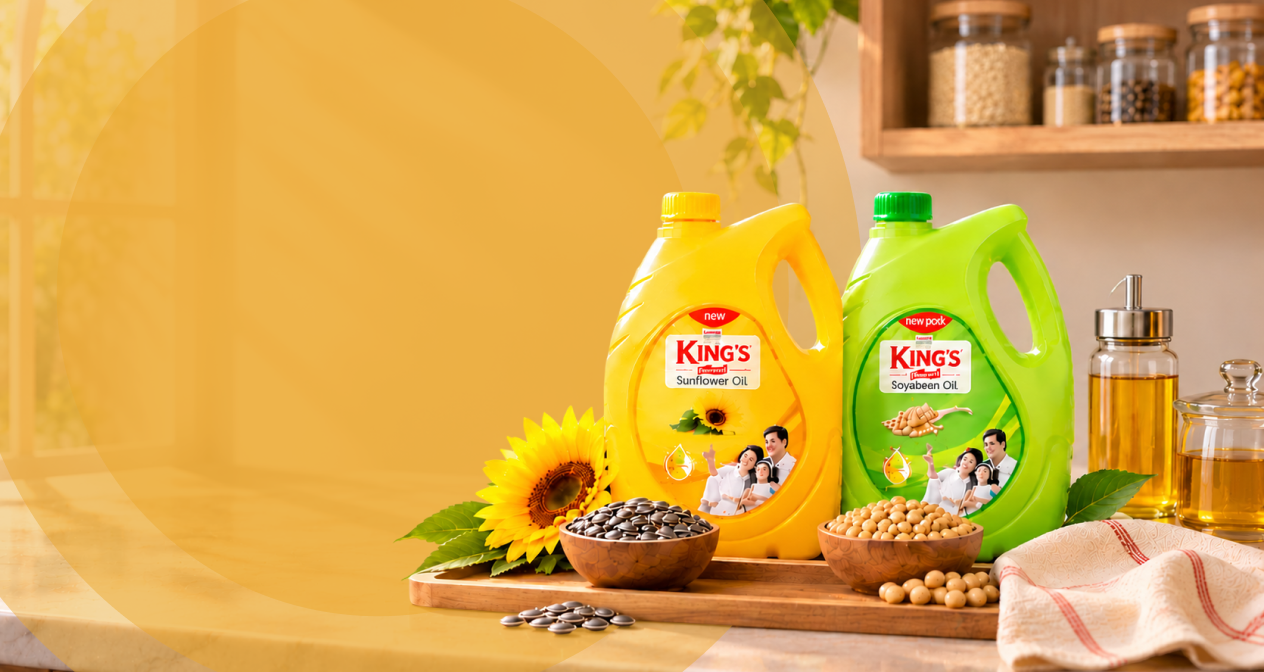
Fresh oil comes down to a few simple habits: keep it cool, dark and tightly closed, away from the stove and sunlight. Check the date when you buy, choose a pack size that suits your family, and trust your nose before you cook. Whichever best cooking oil you choose for your kitchen, good storage protects its flavour. King's Edible Oils is a trusted everyday cooking companion, with King's Sunflower Oil and King's Soybean Oil suited to daily meals in Indian homes.
Frequently Asked Questions
Where should I store cooking oil at home?
Store cooking oil in a dark, cool cupboard or pantry, away from the stove, oven, other appliances and direct sunlight. Keep the cap tightly closed after each use. A steady, cool spot protects the oil from the heat, light and air that make it turn rancid.
Does edible oil need to be refrigerated?
Not usually. Many everyday oils keep well in a cool cupboard. Delicate oils such as sunflower, safflower, grapeseed and sesame are best refrigerated after opening, and any oil used slowly over many months can go in the fridge. Cloudiness from the cold is harmless and clears at room temperature.
How long does a bottle of cooking oil stay fresh?
It depends on the oil, the pack and how it is stored. Check the best before date on the pack, and keep the bottle cool, dark and tightly closed. An unopened bottle generally lasts longer than an opened one, so smell the oil before use and replace it if it seems stale.
How can I tell if my cooking oil has gone rancid?
Rancid oil has a stale, unpleasant smell and a sharp or bitter taste. Pour a little into a spoon and smell it before cooking. If the aroma seems off, replace the oil, because it can spoil the flavour of your food.
Why does cooking oil turn cloudy in winter?
Cold temperatures can make oil look cloudy or thicker. This is harmless and does not mean the oil has spoiled. Keep the bottle at room temperature for a while, and it will clear. Cloudiness alone is not a reason to throw oil away.
Is it better to buy a large or small pack of edible oil?
Choose a size you will finish in a reasonable time. Small families usually do better with smaller packs, since a bottle opened many times loses freshness. If you buy a large pack for value, keep it sealed in the pantry and decant a smaller amount for daily use.