Understanding the Nutritional Profile of Cooking Oils: What's Inside Your Bottle?
Summary
Compare sunflower, rice bran, mustard and soyabean oil nutrition. Learn to read labels and pick the best cooking oil for your family and everyday recipes
Choosing the best cooking oil for your family involves more than comparing prices or picking a familiar brand. Although most cooking oils provide a similar number of calories, their nutritional profiles can vary considerably. The proportions of saturated, monounsaturated and polyunsaturated fats, along with naturally occurring nutrients such as vitamin E, help explain these differences. For Indian households, where oil is used in everything from everyday sabzis and dals to deep-fried snacks, understanding these details can make grocery shopping more informed.
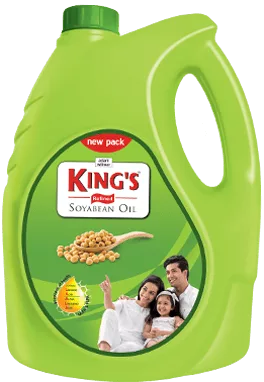
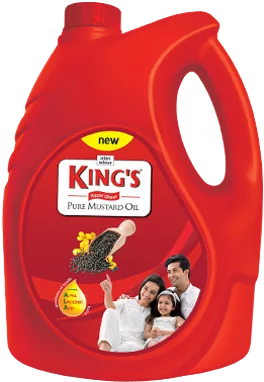
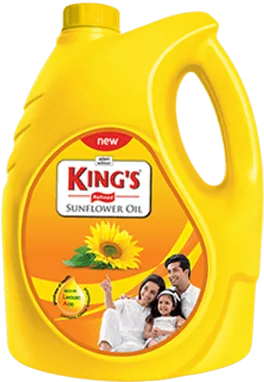
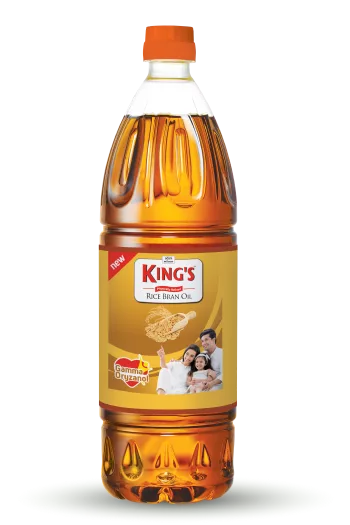
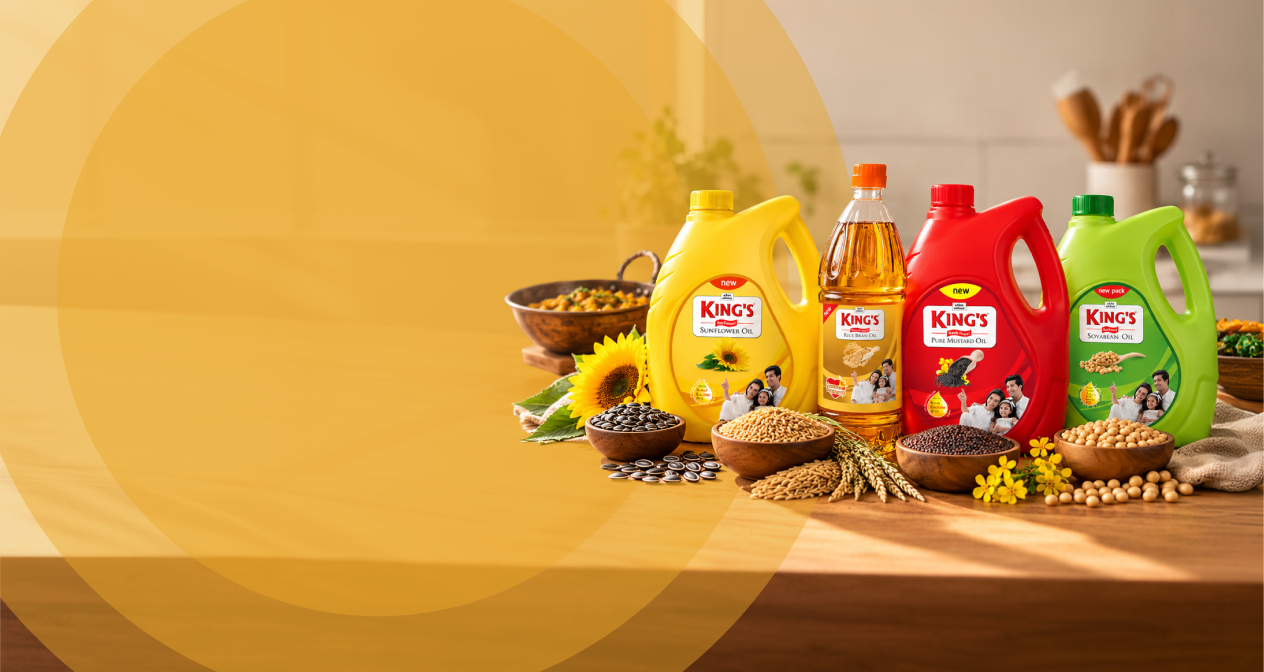
This guide breaks down the nutritional profile of the oils most Indian kitchens use. It also shows how King's Rice Bran Oil , King's Sunflower Oil , King's Soyabean Oil and King's Kachi Ghani Mustard Oil fit into everyday cooking. You will learn how to read a label, compare fat profiles and match each oil to the dish.
How to Read the Nutritional Profile of an Edible Oil
All cooking oils are made almost entirely of fat and provide approximately 120 calories per tablespoon (15 ml). The important difference is the type of fat they contain.
- Saturated fats: These are best limited as part of a balanced diet. Replacing some saturated fat with unsaturated fat can help support healthier blood cholesterol levels.
- Monounsaturated fats (MUFA): Found in oils such as mustard and rice bran oil, these are unsaturated fats commonly included in balanced diets.
- Polyunsaturated fats (PUFA): These include omega-6 and omega-3 fatty acids, which the body needs from food.
Check the nutrition panel for saturated fat per 100 g or per serving, and compare products using the same measurement. Vitamin E and other naturally occurring compounds may also contribute to an oil's nutritional profile.
Sunflower Oil Nutrition and Sunflower Oil Benefits
Conventional sunflower oil typically contains around 10–12% saturated fat, approximately 20% monounsaturated fat and about 60–70% polyunsaturated fat. It is particularly rich in omega-6 fatty acids and provides vitamin E, which helps protect cells from oxidative damage.
The main sunflower oil benefits include its relatively low saturated fat content and its contribution of vitamin E. Its mild flavour also makes it suitable for everyday Indian cooking, including sautéing vegetables, preparing gravies and frying snacks.
However, not all sunflower oils have the same fat profile. High-oleic sunflower oil contains considerably more monounsaturated fat than conventional varieties. If the fatty acid composition matters to you, check the product label rather than assuming every bottle is nutritionally identical.
King's Sunflower Oil is an option to consider for everyday cooking where a mild flavour is preferred.
Rice Bran Oil Benefits and What Sets It Apart
Rice bran cooking oil has a relatively balanced mix of fats. Typical figures are around 20–22% saturated fat, 40–45% monounsaturated fat and 32–37% polyunsaturated fat, although the exact proportions vary by product.
One of the notable rice bran oil benefits is the presence of naturally occurring compounds such as gamma-oryzanol and vitamin E-related antioxidants. Gamma-oryzanol is a group of compounds found in rice bran oil, and its presence makes this oil distinctive. However, the amount retained can vary with processing, so it is best not to assume that all products contain identical levels.
Its mild taste suits households that want an oil that does not overpower the flavour of ingredients. Rice bran oil can be used for everyday sabzis, dals, stir-frying and many types of shallow frying. King's Rice Bran Oil is an option to consider for routine family meals, alongside a varied and balanced diet.
Sarso Ka Tel: Kachi Ghani Mustard Oil Benefits
Sarso ka tel has a distinctive flavour and a different fatty acid profile from conventional sunflower oil. Mustard oil generally contains a relatively low proportion of saturated fat, a high proportion of monounsaturated fat and both omega-6 and plant-based omega-3 fatty acids. Exact values vary with the mustard variety and the product.
The mustard oil benefits often discussed include its unsaturated fat content, including alpha-linolenic acid (ALA), a plant omega-3 fatty acid. Mustard oil also contains erucic acid, a fatty acid for which dietary exposure is a regulatory consideration in some countries. Food standards and advice differ between regions, so consumers should follow applicable local guidance and product labelling.
Kachi Ghani Mustard Oil is traditionally cold-pressed and retains the pungent aroma associated with mustard seeds. It is widely used in Bengali fish curries, North Indian marinades, pickles and regional tempering. King's Kachi Ghani Mustard Oil may suit these recipes when its flavour is part of the dish's character.
Soyabean Oil Nutrition: Omega-3, Fat Balance and Everyday Use
Soyabean oil typically contains around 15–16% saturated fat, 22–25% monounsaturated fat and 58–62% polyunsaturated fat. It provides both omega-6 fatty acids and alpha-linolenic acid, a plant-based omega-3. A tablespoon may supply around 0.9–1 gram of ALA, depending on the product and serving size.
This balance makes soyabean oil a source of essential polyunsaturated fats. Its relatively neutral taste also works well in everyday Indian meals, from sautéed vegetables and dal tadka to general-purpose cooking and frying, provided the oil is suitable for the temperature and cooking method.
King's Soyabean Oil can be considered for daily meal preparation where a versatile cooking oil is needed.
Choosing the Best Cooking Oil for Your Family
There is no single best cooking oil for every household. The right choice depends on the overall diet, cooking methods, flavour preferences, budget and nutritional information on the label.
Use these practical checks when comparing edible oil:
- Compare saturated fat: Look for oils with a lower saturated fat proportion, and consider how the rest of your diet contributes to your total fat intake.
- Match the oil to the dish: A mild oil may suit everyday gravies and stir-fries, while mustard oil adds a distinctive flavour to pickles and regional recipes.
- Read the processing details: Refined and cold-pressed oils differ in flavour, processing and potential uses. Choose according to the product information and intended cooking method.
- Consider variety: Some households use different oils for different dishes. This can vary the types of fatty acids in the diet, but using several oils does not automatically make a diet healthier.
- Watch the quantity: All oils are energy-dense, so the amount used matters as well as the type.
Understanding what is inside your cooking oil bottle makes it easier to compare products beyond price, packaging and advertising. Reading the nutrition label, considering the cooking method and keeping oil quantities moderate can help you make a more informed choice.
King's Edible Oils offers options for everyday cooking as well as traditional recipes, helping households select an oil that suits their preferences and kitchen routines.
Frequently Asked Questions
Which cooking oil is lowest in saturated fat?
Among the oils compared here, standard sunflower oil is lowest at roughly 11 per cent, with mustard oil close behind at about 12 per cent. Rice bran oil has around 21 per cent and soyabean oil about 16 per cent. Always check the label, as figures vary by brand and variety.
What is the difference between Kachi Ghani Mustard Oil and refined mustard oil?
Kachi Ghani Mustard Oil is cold-pressed, which retains the strong, pungent flavour and aroma of traditional sarso ka tel. Refined mustard oil is processed further and usually tastes milder. Choose the pungent version for pickles and fish curries, and a milder one if you prefer subtle flavour.
Does rice bran oil have more benefits than sunflower oil?
Neither is better in every way. Rice bran oil has a more balanced fat split and contains gamma-oryzanol. Sunflower oil is lower in saturated fat and rich in vitamin E. The right choice depends on your cooking style, taste preferences and the fat balance you want in your diet.
Is it better to use one cooking oil or a mix of edible oils?
Using two or three oils is a practical approach. Each brings a different fat profile and flavour, and you can match the oil to the dish. For example, use mustard oil for tempering and pickles, and a neutral oil for daily cooking. It also adds variety to the fats in your diet.